TB-500 (Thymosin Beta-4): What the Research Says About Tissue Repair
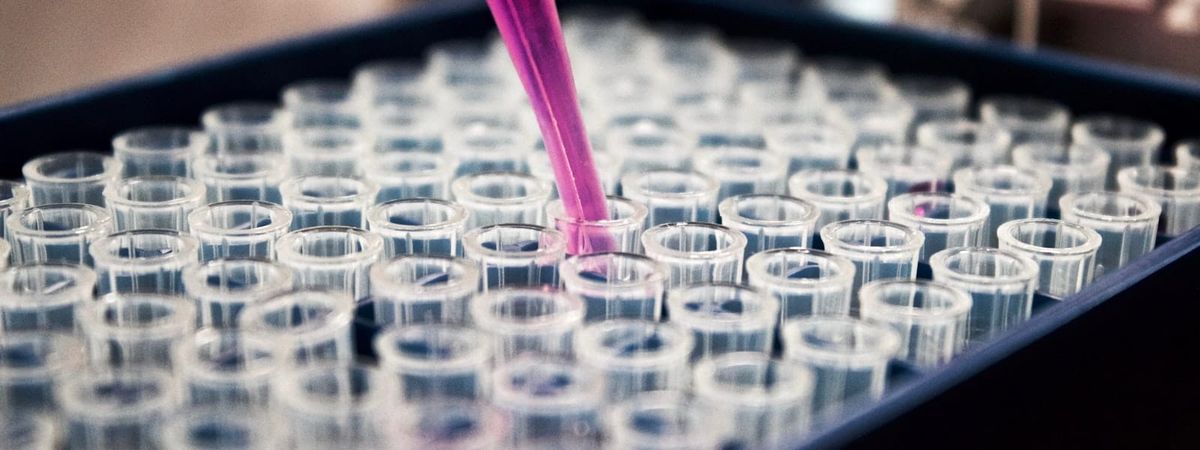
TB-500 is the common name for a synthetic version of Thymosin Beta-4 (Tβ4), a 43-amino acid peptide that is one of the most abundant intracellular peptides in human tissue. It plays a fundamental role in cell migration, tissue repair, and inflammation regulation, and has been studied for applications ranging from wound healing to cardiac recovery to musculoskeletal injury. Here's what the research shows and what patients should know before considering it clinically.
What Is TB-500?
Thymosin Beta-4 was first isolated from thymus tissue but is found throughout the body — particularly in platelets, wound fluid, and areas of active tissue repair. It was named as part of the thymosin family of peptides originally studied for immune function, but its primary biological role turned out to be in the actin cytoskeleton and cell motility.
TB-500 refers specifically to the synthetic version used in clinical and research settings. It corresponds to the full Tβ4 sequence. Some protocols also use a shorter active fragment (Tβ4 17-23, sometimes called "TB-4 Frag") that is believed to retain key biological activity in a more concentrated form.
The compound gained recognition in sports medicine circles for its tissue repair applications, though the mechanism-based research originates in wound healing and cardiovascular biology rather than performance contexts.
How Does TB-500 Work?
TB-500's mechanism centers on its role in actin polymerization. Actin is the structural protein that forms the cytoskeleton — the internal scaffolding of cells. It is also essential for cell movement.
Actin sequestration and cell migration. Tβ4 binds to G-actin (the monomeric, soluble form of actin), preventing it from polymerizing into filaments. This sequestration affects how cells move and reorganize their structure. At the site of injury, this mechanism facilitates the rapid migration of repair cells — fibroblasts, endothelial cells, keratinocytes — into the damaged area.
Angiogenesis. TB-500 promotes the formation of new blood vessels through upregulation of VEGF and other angiogenic factors. New blood supply is essential for tissue repair — it delivers oxygen, nutrients, and growth factors to healing tissue.
Anti-inflammatory activity. TB-500 modulates the inflammatory response following tissue injury, reducing excessive inflammation that would otherwise impair healing without eliminating the inflammatory signals needed to initiate repair.
Stem cell activation. Research has found that Tβ4 activates epicardial progenitor cells in cardiac tissue and has similar effects on other progenitor cell populations relevant to tissue regeneration. A 2021 review documented multiple roles for Tβ4 in tissue development including effects on satellite cells relevant to muscle regeneration.
What Does the Research Show?
Wound healing
The most replicated effects of TB-500 are in wound healing. Consistent across preclinical models: TB-500 accelerates the closure of cutaneous wounds, increases granulation tissue formation, and reduces scarring. The cell migration mechanism is central — getting repair cells to the wound site faster is the rate-limiting step in healing.
Cardiac repair
One of the most compelling areas of Tβ4 research is cardiac regeneration. Studies have found that Tβ4 activates dormant epicardial progenitor cells and promotes their differentiation into cardiac muscle cells following myocardial infarction in animal models. This line of research represents a potential future application in cardiac medicine, though it remains preclinical.
Musculoskeletal applications
A 2026 review in Frontiers in Pharmacology on therapeutic peptides in orthopaedics (PMID: 41490200) identified TB-500 among the most promising peptides for musculoskeletal repair. Preclinical studies show effects on muscle repair, tendon healing, and ligament regeneration consistent with its cell migration and angiogenic mechanisms.
Eye and CNS
TB-500 has been studied in corneal wound healing models with consistent positive results. Central nervous system applications are explored in the context of stroke and traumatic brain injury, where its cell migration and angiogenic properties may support neurological recovery.
TB-500 and BPC-157: Why They're Often Combined
BPC-157 and TB-500 are frequently co-prescribed and discussed together because they address complementary aspects of the healing process.
BPC-157 primarily works through growth factor receptor upregulation, nitric oxide signaling, and fibroblast stimulation — driving the production of new connective tissue and angiogenesis from the molecular signaling side.
TB-500 primarily works through actin dynamics and cell migration — physically moving repair cells to the injury site and activating progenitor populations.
The two mechanisms are not redundant. BPC-157 creates the molecular environment for repair; TB-500 mobilizes the cellular elements that execute it. Clinical experience with the combination suggests synergistic effects, and the theoretical rationale for combining them is sound. For significant musculoskeletal injuries or recovery from surgery, the combination is more commonly prescribed than either alone.
How Is TB-500 Administered?
TB-500 is administered by subcutaneous injection, typically twice weekly during an initial loading phase, transitioning to weekly or twice-monthly maintenance dosing. Some protocols use localized injection near the injury site alongside systemic subcutaneous administration.
Protocols are typically structured in phases: a loading period (4-6 weeks of more frequent dosing) followed by a maintenance phase at reduced frequency. The duration depends on the clinical indication — acute injury protocols are typically shorter than protocols for chronic musculoskeletal conditions.
What Are the Side Effects?
TB-500 has a generally favorable tolerability profile in available data. Reported side effects are mild and primarily include:
- Injection site reactions (redness, mild discomfort)
- Transient fatigue or headache around the time of injection in some patients
The theoretical concern with any angiogenic and cell-migration-promoting peptide is its potential behavior in the context of active malignancy. TB-500 promotes cell migration and blood vessel formation — mechanisms that could theoretically support tumor growth. No study has demonstrated this, but the concern is well-founded enough that most clinical protocols exclude patients with active cancer or recent solid tumor history.
Frequently Asked Questions
What is TB-500 used for?
TB-500 is primarily used clinically for musculoskeletal injury recovery, post-surgical healing support, and general tissue repair. It is also studied for wound healing and cardiac applications in preclinical research. Clinical use focuses on patients with orthopedic injuries, chronic tendinopathy, and recovery from significant physical trauma.
Is TB-500 the same as thymosin alpha-1?
No. Thymosin alpha-1 (Ta1) is a 28-amino acid thymic peptide primarily involved in immune modulation. TB-500 is thymosin beta-4, a 43-amino acid peptide primarily involved in cell migration and tissue repair. The "thymosin" name reflects their historical origin in thymus research, but they are functionally distinct with different clinical applications.
How long does it take TB-500 to work?
For acute injuries, clinical experience suggests meaningful improvement over 4-8 weeks of consistent use. Chronic conditions (long-standing tendinopathy, old injuries with poor healing) take longer — 8-12 weeks before significant change is typically apparent. Healing is a biological process; timelines depend heavily on the severity and nature of the injury.
Does TB-500 require a prescription?
Yes. TB-500 must be prescribed by a licensed healthcare provider and dispensed through a licensed 503A compounding pharmacy. It is not approved by the FDA for any indication and should not be obtained from unregulated sources.
Can TB-500 be taken alongside BPC-157?
Yes, and this combination is common in clinical practice. The two peptides have complementary mechanisms — TB-500 driving cell migration and angiogenesis, BPC-157 driving growth factor signaling and fibroblast activity. Most providers prescribing one for musculoskeletal applications will consider the combination for significant injuries.
Sources
- Therapeutic Peptides in Orthopaedics: Applications, Challenges, and Future Directions. *Front Pharmacol.* 2026.
- Vasireddi N, et al. Emerging Use of BPC-157 in Orthopaedic Sports Medicine. *HSS Journal.* 2025.
- Bock-Marquette I, et al. Thymosin beta4 activates integrin-linked kinase and promotes cardiac cell migration, survival and cardiac repair. *Nature.* 2004.
- Goldstein AL, et al. Thymosin beta4: a multi-functional regenerative peptide. *Expert Opin Biol Ther.* 2012.
- Chen J, et al. Multiple potential roles of thymosin β4 in the growth and development of hair follicles. *J Dermatol Sci.* 2021.
This content is for educational purposes only and does not constitute medical advice. Peptide therapies should only be pursued under the supervision of a licensed healthcare provider. Amino Clinic recommends consulting with your physician before starting any new therapy.