What Is Sermorelin? A Guide to Growth Hormone Therapy
Sermorelin is one of the most established compounds in peptide therapy — it has been used clinically for decades, has more human safety data than most growth hormone secretagogues, and remains a foundational option for patients interested in addressing age-related growth hormone decline. If you're exploring growth hormone therapy and want to understand sermorelin before your consultation, here's a thorough overview.
What Is Sermorelin?
Sermorelin acetate is a synthetic analogue of growth hormone-releasing hormone (GHRH). It is a 29-amino acid peptide that corresponds to the biologically active N-terminal fragment of naturally occurring GHRH. By binding to GHRH receptors in the pituitary gland, it stimulates the pulsatile release of your body's own growth hormone.
This mechanism distinguishes sermorelin — and other growth hormone secretagogues — from injectable human growth hormone (HGH). Sermorelin does not introduce exogenous growth hormone. Instead, it prompts your pituitary to release growth hormone within the constraints of your natural regulatory systems. The hypothalamic-pituitary axis remains intact, feedback mechanisms continue to operate, and growth hormone output stays within physiological ranges.
Sermorelin had FDA approval for treatment of idiopathic growth hormone deficiency in children for many years before the manufacturer withdrew it from the market for commercial reasons unrelated to safety. It has never been withdrawn for safety or efficacy concerns, and clinical use in adults has continued through compounding.
How Is Sermorelin Different from HGH?
This is the most common question patients bring to their first consultation.
Exogenous HGH introduces synthetic growth hormone directly into your bloodstream, bypassing the pituitary entirely. This produces supraphysiological growth hormone levels, shuts down your body's own production through negative feedback, and requires careful dosing to avoid overexposure. It is regulated as a prescription drug with specific approved indications (adult growth hormone deficiency, pediatric short stature, HIV-related wasting).
Sermorelin preserves the natural pulsatility of growth hormone release. Because it acts upstream at the pituitary rather than introducing the hormone directly, the response is physiologically gated. The pituitary cannot produce more growth hormone than its receptor capacity and somatostatin feedback allow. This is generally considered a safer profile for long-term use than exogenous HGH.
The trade-off is that the response ceiling is lower. A patient who is severely growth hormone deficient may not achieve adequate correction through sermorelin alone, whereas exogenous HGH can target a specific IGF-1 level regardless of pituitary function.
What Happens to Growth Hormone as We Age?
Growth hormone secretion declines progressively with age in both men and women. The amplitude and frequency of growth hormone pulses — particularly the large nocturnal pulse associated with deep sleep — diminish starting in the 30s and continue throughout life. By the 6th decade, growth hormone output in many adults is 50% or less of youthful levels.
The downstream effects of this decline are well-characterized: changes in body composition (increased fat mass, reduced lean mass), reduced exercise recovery, sleep disruption, decreased bone density, and shifts in metabolic markers. A 2020 review in Translational Andrology and Urology (Traish et al.) examining growth hormone secretagogues noted their role in modern body composition management, particularly in the context of hypogonadal males and aging-related hormonal decline.
This is the clinical context in which sermorelin is most commonly used. Patients are not growth hormone deficient in the pediatric or clinical deficiency sense — they are experiencing the physiological decline that affects most adults, and sermorelin is being used to partially restore earlier hormonal patterns.
What Does the Research Show?
Sermorelin's clinical track record is more substantial than many therapeutic peptides because it was an approved pharmaceutical for years and accumulated formal clinical data.
Studies of GHRH analogues in adults have demonstrated improvements in IGF-1 levels (the primary biomarker of growth hormone activity), lean body mass, and subjective measures of energy and sleep quality. The effects are dose-dependent and typically take 3-6 months to manifest in body composition.
Sermorelin's pediatric approval and subsequent clinical use provide a safety database that is more developed than most compounded peptides. No significant safety signals emerged from its approved use period. Adult use in clinical settings over the past two decades has not produced evidence of serious adverse effects at therapeutic doses.
Who Is Sermorelin Typically Prescribed For?
Sermorelin is most commonly considered for adults experiencing symptoms consistent with age-related growth hormone decline:
- Reduced energy and stamina
- Changes in body composition despite consistent diet and exercise
- Disrupted sleep, particularly reduced deep sleep
- Slower recovery from exercise or injury
- Decreased sense of overall vitality
It is also sometimes used as a lower-cost, lower-risk entry point into growth hormone therapy before considering more potent secretagogue combinations like ipamorelin/CJC-1295.
Who should not use sermorelin:
- People with active malignancy (growth hormone promotes cell growth)
- Patients with pituitary dysfunction that would prevent growth hormone response
- Pregnant or breastfeeding women (safety not established)
How Is Sermorelin Administered?
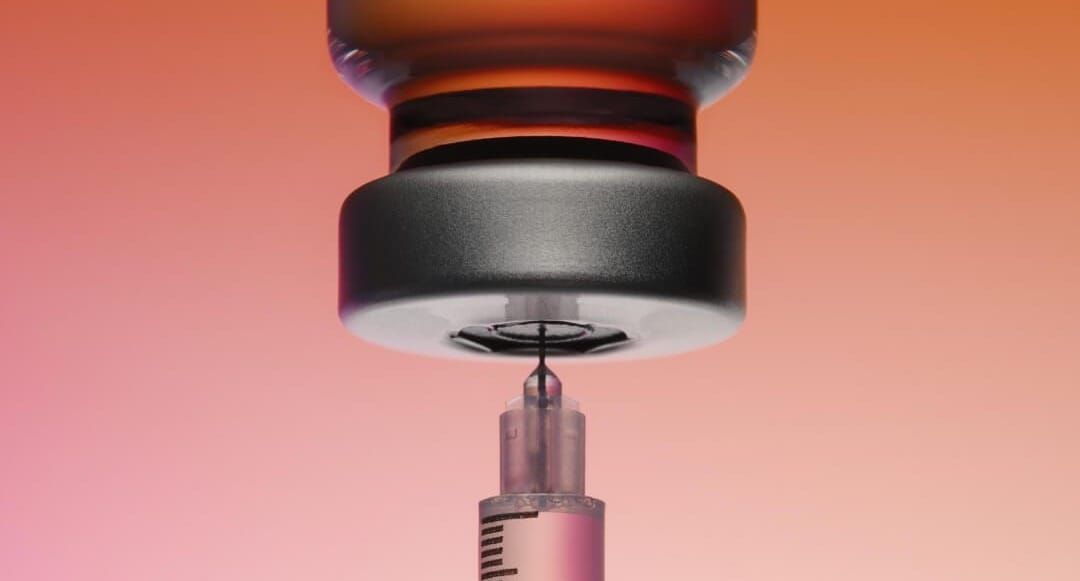
Sermorelin is administered by subcutaneous injection, typically once daily before sleep. The nighttime timing is clinically significant: it aligns the sermorelin-stimulated growth hormone pulse with the natural nocturnal growth hormone release pattern, maximizing the physiological response while minimizing daytime growth hormone peaks that could cause side effects.
Standard clinical protocols involve daily injection for an initial treatment period (typically 3-6 months), with follow-up IGF-1 testing at 4-6 weeks and at 3 months to assess response and guide dose adjustments. Some patients move to a cycling protocol (on for several months, off for a period) during maintenance phases.
What Are the Side Effects?
Sermorelin is generally well-tolerated. The most commonly reported side effects include:
- Injection site redness or mild discomfort (transient)
- Temporary water retention, particularly in the early weeks
- Flushing or warmth at the injection site
- Occasional fatigue on the day of injection
At higher doses, joint discomfort and tingling (particularly in hands and feet) can occur — these are common growth hormone-related side effects and usually resolve with dose reduction. Blood glucose monitoring is appropriate because growth hormone affects insulin sensitivity.
How Does Sermorelin Compare to Ipamorelin and CJC-1295?
These three compounds are often discussed together because they all stimulate pituitary growth hormone release, but they work through different mechanisms:
Sermorelin is a GHRH analogue — it binds GHRH receptors. It has a short half-life, producing a pulse of growth hormone that mimics natural pulsatile release.
Ipamorelin is a ghrelin mimetic — it binds growth hormone secretagogue receptors (GHSR). It is highly selective and produces minimal cortisol or prolactin stimulation, which is a clinical advantage.
CJC-1295 is a longer-acting GHRH analogue with a half-life of days to weeks rather than minutes. It produces sustained growth hormone elevation rather than discrete pulses.
Combining a GHRH analogue (sermorelin or CJC-1295) with a GHSR agonist (ipamorelin) produces synergistic growth hormone release — the two pathways amplify each other. Sermorelin/ipamorelin and CJC-1295/ipamorelin combinations are common clinical approaches.
Sermorelin is generally considered the most conservative and best-studied option in this class, making it a reasonable starting point for patients new to growth hormone secretagogue therapy.
Frequently Asked Questions
Is sermorelin better than HGH?
They work differently and serve different clinical contexts. Sermorelin preserves physiological regulation and pulsatility, making it safer for long-term use in adults with age-related decline. Exogenous HGH is appropriate for patients with clinical growth hormone deficiency who need precise, targeted hormone replacement. For most patients interested in age-related optimization, sermorelin or sermorelin-combination protocols are the more appropriate starting point.
How long does it take for sermorelin to work?
Most patients notice improvements in sleep quality within the first 2-4 weeks. Changes in energy and recovery typically emerge over 6-8 weeks. Body composition changes take 3-6 months to become apparent. IGF-1 levels should be rechecked at 4-6 weeks after starting to confirm a biological response.
Does sermorelin require a prescription?
Yes. Sermorelin must be prescribed by a licensed healthcare provider and dispensed through a licensed 503A compounding pharmacy. It is not available over the counter or as a research compound.
Can women use sermorelin?
Yes. Women experience the same age-related growth hormone decline as men, and sermorelin protocols are used in both sexes. Women are generally started at lower doses due to greater sensitivity to growth hormone effects, with gradual titration based on IGF-1 response.
What happens if I stop taking sermorelin?
Because sermorelin stimulates rather than replaces your own growth hormone production, stopping it does not cause the withdrawal or pituitary suppression associated with stopping exogenous HGH. IGF-1 levels gradually return to pre-treatment baseline. Most patients on maintenance protocols cycle on and off rather than using it continuously indefinitely.
Sources
- Traish AM, et al. Beyond the Androgen Receptor: The Role of Growth Hormone Secretagogues in the Modern Management of Body Composition in Hypogonadal Males. *Transl Androl Urol.* 2020.
- U.S. Food & Drug Administration. Bulk Drug Substances Nominated for Use in Compounding Under Section 503A. FDA.gov
- Simonova MA, et al. Aging and Thymosin Alpha-1. *Int J Mol Sci.* 2025;26(23):11470.
- Lim M, et al. Weight Loss With GLP-1 Agonists in Nondiabetic Adults. *Obesity.* 2026.
- Walker RF. Sermorelin: a better approach to management of adult-onset growth hormone insufficiency? *Clin Interv Aging.* 2006;1(4):307-308.
This content is for educational purposes only and does not constitute medical advice. Peptide therapies should only be pursued under the supervision of a licensed healthcare provider. Amino Clinic recommends consulting with your physician before starting any new therapy.