Are Peptides Safe? Understanding Risks, Side Effects, and Quality
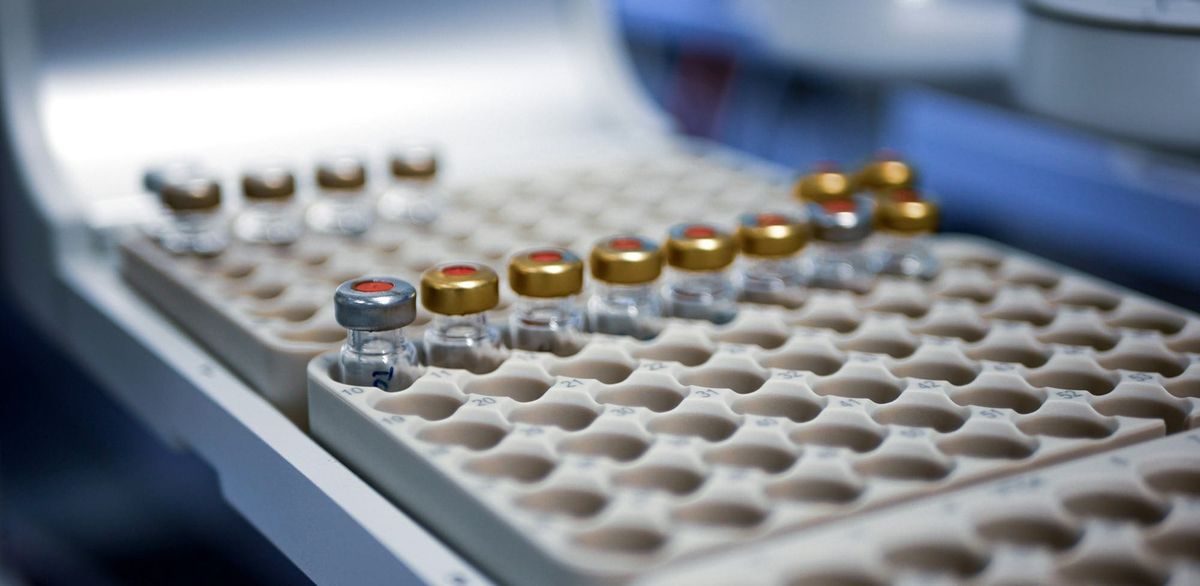
Are peptides safe? It's the first question most people ask, and it deserves a straight answer. For most people, peptide therapies prescribed by a licensed provider and sourced from a regulated compounding pharmacy have a favorable safety profile compared to many conventional medications. But the risks are real, and they cluster around a specific problem: the source. Peptides obtained outside the medical system, from gray-market vendors selling "research use only" products, carry documented risks of contamination, mislabeling, and inconsistent dosing that have no equivalent in licensed clinical settings.
Here's what you need to know about peptide safety before starting any therapy.
What Does "Safe" Actually Mean for Peptides?
Safety in medicine is never absolute. Every therapy, from aspirin to chemotherapy, carries a risk-benefit profile that varies by person, dose, and context. When people ask whether peptides are safe, they're usually asking a few different questions at once:
- Are there known side effects?
- Could this cause long-term harm?
- Is the product I'm getting reliable?
- Am I a good candidate for this?
The answer to each of these is different, and understanding the distinction matters.
What the Research Shows About Side Effects
Most therapeutic peptides studied in clinical and preclinical settings have shown a relatively clean side effect profile. That said, the depth of human safety data varies significantly by compound.
Growth hormone secretagogues (ipamorelin, CJC-1295, sermorelin)
These peptides stimulate the pituitary gland to release your body's own growth hormone. The most commonly reported side effects in clinical use are mild: injection site redness or irritation, temporary water retention, fatigue on first use, and occasionally tingling or numbness. In some patients, elevated growth hormone levels may cause increased appetite or mild joint discomfort. Because these compounds act on the pituitary and affect systemic growth hormone, they are not recommended for people with active cancer or a personal history of hormone-sensitive cancers. Lab monitoring is standard clinical practice.
BPC-157
A 2025 literature and patent review in Pharmaceuticals (Józwiak et al.) noted that BPC-157 "has a desirable safety profile, since only a few side effects have been reported following its administration" across a broad preclinical evidence base. The main caveat is the near-complete absence of large-scale human safety data, which means the full picture is not yet known. The available evidence is encouraging, but it is not a green light to use the compound without medical oversight.
Thymosin Alpha-1
Thymosin Alpha-1 has one of the longest clinical track records of any peptide on this list, with decades of use in parts of Europe and Asia. Studies have generally found it well-tolerated, with injection site reactions being the most commonly reported issue.
GLP-1 peptides (semaglutide, tirzepatide)
GLP-1 receptor agonists are the most extensively studied class of therapeutic peptides in humans. Common side effects include nausea, vomiting, diarrhea, and reduced appetite, particularly during dose escalation. These are the best-understood peptides from a safety standpoint, with large-scale trial data spanning years.
One important pattern emerges across all of these compounds: most adverse events are dose-dependent, mild, and temporary. Serious adverse events in supervised clinical settings are uncommon. The risks increase meaningfully when dosing is uncontrolled, when compounds are sourced from unregulated manufacturers, or when patients have contraindications that a provider would have caught.
The Real Risk: Where Your Peptides Come From
This is the part of the safety conversation that most people miss. The greatest risk associated with peptide therapy today is not the compounds themselves. It is the gray market.
A 2026 pharmacovigilance study published in Expert Opinion on Drug Safety (McCall et al.) analyzed over 81,000 GLP-1 receptor agonist reports in the FDA's Adverse Event Reporting System. Of those, 707 involved compounded products. Compared to FDA-approved formulations, compounded GLP-1s had substantially higher reporting odds for preparation errors (48.9 times higher), contamination (19 times higher), and hospitalization (2.35 times higher). A separate 2024 study in Pharmaceutical Research (Hach et al., Novo Nordisk) found that follow-on and compounded semaglutide products contained new impurities, trace metals, and residual solvents not present in originator products. Several oral formulations contained significantly less active compound than the label claimed.
These studies focused on GLP-1s because they have the largest dataset, but the underlying issue applies to any injectable compounded peptide. Manufacturing sterile injectable products is technically demanding. Quality depends on aseptic technique, proper equipment, environmental controls, and validated testing methods. Licensed 503A compounding pharmacies operating under USP Chapter 797 standards are required to meet those benchmarks. Vendors selling peptides as "research use only" are not.
When you buy peptides outside the medical system, you are taking on risks that cannot be assessed by reading the product description: contamination with bacteria or endotoxins, incorrect peptide sequence, wrong concentration, or a compound that is not what it claims to be at all.
Who Should Be Cautious or Avoid Peptide Therapy
Peptide therapy is not appropriate for everyone, and certain conditions warrant extra caution or outright avoidance.
Growth hormone secretagogues should generally be avoided by anyone with:
- Active cancer or a history of hormone-sensitive cancers (growth hormone can promote cell proliferation)
- Uncontrolled diabetes or insulin resistance (growth hormone affects blood sugar)
- Active pituitary disorders
BPC-157 and healing peptides: Because BPC-157 may accelerate tissue growth and angiogenesis (the formation of new blood vessels), there is a theoretical concern about its use in people with active cancer. While no human data has demonstrated this risk directly, the preclinical mechanism is a reason for caution and provider conversation.
Thymosin Alpha-1: Immunostimulatory peptides should be used carefully by anyone on immunosuppressive therapy, such as organ transplant recipients.
Anyone on prescription medications: Some peptides can affect hormone levels, blood sugar, or immune function in ways that interact with existing medications. A complete medication review with a licensed provider is essential before starting any peptide protocol.
This is why the clinical assessment step is not a formality. A provider who reviews your history can catch contraindications that you would not necessarily know to ask about.
What Quality Control Actually Looks Like
When peptide therapy is administered through a licensed clinical pathway, multiple layers of quality control exist that simply are not present in the gray market.
Prescription requirement: A licensed provider must determine that the therapy is appropriate for your specific health profile before a prescription is written.
Licensed compounding pharmacy: The compound is prepared by a state-licensed pharmacy operating under USP 797 standards for sterile preparations, including environmental monitoring, personnel training, and beyond-use dating.
Sterility testing: Injectable preparations require sterility testing before release. The challenge of sterility testing for short-use compounds is an active area of pharmaceutical research, but licensed pharmacies are required to follow validated procedures.
Provider monitoring: Reputable clinical protocols include baseline labs and follow-up testing, particularly for peptides with systemic hormonal effects.
None of this guarantees a risk-free experience. But it eliminates the most common and serious failure modes that have driven adverse events in unregulated settings.
What to Ask Before Starting Peptide Therapy
If you're considering peptide therapy, these are the questions worth raising with any provider before you begin:
What is the evidence for this specific compound? A good provider will be honest about the difference between strong human trial data and promising preclinical research. The answers are different for different peptides.
Where will the compound be compounded? Ask for the name of the pharmacy and confirm it holds a state license and PCAB (Pharmacy Compounding Accreditation Board) accreditation where available.
What monitoring will be in place? For any peptide with systemic hormonal effects, baseline bloodwork should be part of the protocol. Ask what will be monitored and how often.
Are there contraindications given my health history? This is the most important question, and it is the main reason you need a licensed clinician rather than a vendor.
Frequently Asked Questions
Are peptides safe for long-term use?
Long-term safety data for most therapeutic peptides is limited, because large-scale clinical trials of sufficient duration have not been completed. Some compounds, like thymosin alpha-1 and GLP-1 receptor agonists, have more established long-term profiles than others. A licensed provider can help you understand what the current evidence supports for any specific compound and protocol.
What are the most common side effects of peptide therapy?
Injection site reactions (redness, swelling, mild pain) are the most frequently reported side effect across peptide types. For growth hormone secretagogues, temporary water retention and fatigue during the first days of use are common. GLP-1 peptides commonly cause nausea, particularly when starting or increasing doses. Serious adverse events in supervised clinical settings are uncommon.
Is peptide therapy safer than steroids or HGH?
Most therapeutic peptides work by stimulating your body's own hormonal processes rather than introducing external hormones directly. Growth hormone secretagogues, for example, prompt your pituitary to release growth hormone within its natural range, unlike injectable HGH, which bypasses that regulation. This distinction generally makes secretagogues a lower-risk option, though the comparison depends heavily on specific compounds and individual health factors.
Can I trust the peptides I buy online?
Research and pharmacovigilance data suggest significant quality problems with compounded and follow-on peptide products sold outside of licensed clinical channels. Contamination, incorrect dosing, and mislabeled compounds have all been documented. Licensed compounding pharmacies operate under regulatory standards that gray-market vendors do not.
How do I know if a peptide is right for me?
A consultation with a licensed healthcare provider is the only reliable way to determine this. The relevant variables include your health history, current medications, specific goals, and the evidence base for the compound you're considering. No article, including this one, can substitute for that assessment.
Sources
- Józwiak M, et al. Multifunctionality and Possible Medical Application of the BPC 157 Peptide. *Pharmaceuticals (Basel).* 2025;18(2):185.
- McCall KL, et al. Safety analysis of compounded GLP-1 receptor agonists: a pharmacovigilance study using the FDA adverse event reporting system. *Expert Opinion on Drug Safety.* 2026;25(3):581-588.
- Hach M, et al. Impact of Manufacturing Process and Compounding on Properties and Quality of Follow-On GLP-1 Polypeptide Drugs. *Pharmaceutical Research.* 2024;41(10):1991-2014.
- Rajagopal K, Venkatesan S. Immediate Use Compounding Sterile Products: Need of Alternative Sterility Testing Method. *International Journal of Pharmaceutical Compounding.* 2025;29(5):337-343.
- U.S. Food & Drug Administration. Adverse Event Reporting System (FAERS). FDA.gov
- USP General Chapter 797: Pharmaceutical Compounding — Sterile Preparations. USP.org
This content is for educational purposes only and does not constitute medical advice. Peptide therapies should only be pursued under the supervision of a licensed healthcare provider. Amino Clinic recommends consulting with your physician before starting any new therapy.