Oral vs Injectable Peptides: Which Delivery Method Is Right for You?
Most therapeutic peptides are administered by injection — and there are good biochemical reasons for this. But oral peptides exist and are appropriate for specific applications. Understanding why delivery route matters, and which compounds are used which way, helps patients have more informed conversations with their providers about what a protocol actually looks like day-to-day.
Why Most Peptides Are Injectable
Peptides are chains of amino acids. When you swallow them, the digestive system does exactly what it's designed to do: break protein chains into individual amino acids for absorption. Most peptides don't survive the journey from mouth to bloodstream intact.
Three things work against oral peptide bioavailability:
Stomach acid. Gastric pH of 1.5-3.5 degrades many peptide bonds before the compound reaches the small intestine.
Digestive enzymes. Proteases in the stomach and small intestine — pepsin, trypsin, chymotrypsin — are specifically designed to break peptide bonds. They do their job efficiently.
Intestinal barrier. Even intact peptides face the challenge of crossing the intestinal epithelium to reach systemic circulation. Large molecules struggle to cross this barrier in meaningful quantities.
The result is that most injectable peptides, if swallowed, would produce negligible or zero systemic effect at standard doses. This is why subcutaneous injection is the standard route — it bypasses all of these degradation mechanisms and delivers the compound directly into tissue where it can be absorbed into circulation.
When Oral Administration Makes Sense
Oral peptide delivery isn't futile — it depends entirely on what you're trying to achieve.
Local GI action
BPC-157 is the clearest example. Orally administered BPC-157 doesn't survive to reach the bloodstream in significant quantities, but it doesn't need to for gut applications — the compound can act directly on the gastrointestinal mucosa as it passes through. For healing gastric ulcers, intestinal inflammation, leaky gut, or IBD-related symptoms, oral BPC-157 delivers the compound exactly where it needs to act. Multiple preclinical studies have shown oral BPC-157 produces consistent GI mucosal effects.
For the same compound, if the goal is systemic tissue repair — musculoskeletal, neurological, or other non-GI applications — injectable administration is necessary.
Engineered oral bioavailability
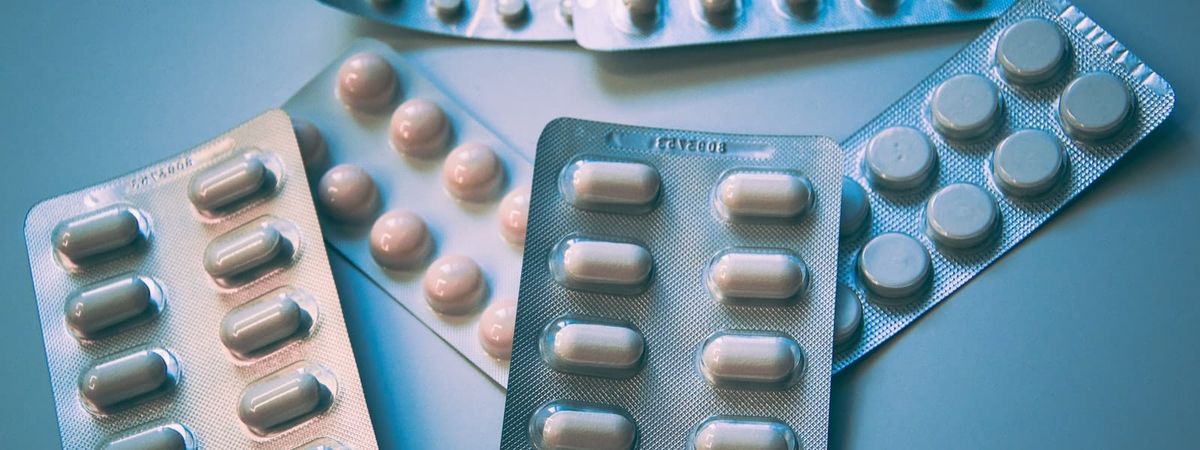
Pharmaceutical research has invested significantly in making oral peptides viable. Semaglutide (Rybelsus) is a 31-amino acid peptide available as a once-daily oral tablet, made possible by co-formulating it with sodium N-(8-[2-hydroxybenzoyl]amino)caprylate (SNAC), a permeation enhancer that protects semaglutide from degradation and facilitates intestinal absorption. The oral version has lower bioavailability than injectable semaglutide — roughly 1% absorption compared to ~89% for the injection — but produces meaningful clinical effects at appropriate doses.
This illustrates the principle: oral peptide delivery is a formulation engineering challenge, not an inherent impossibility.
Intranasal delivery
A third route worth understanding is intranasal administration, used for compounds targeting the central nervous system. Semax and Selank, for example, are commonly delivered as nasal sprays because the olfactory nerve provides a direct pathway to the brain that bypasses the blood-brain barrier. This is not oral delivery, but it's also not an injection — and it's the appropriate route for some neurological peptide applications.
Subcutaneous vs Intramuscular vs Intravenous
Within injectable routes, the choice of injection method matters:
Subcutaneous (SubQ): The standard route for therapeutic peptides. Injection into the fat layer just below the skin produces slow, consistent absorption. Easy to self-administer. Used for growth hormone secretagogues, BPC-157, TB-500, GHK-Cu, and most compounded peptides.
Intramuscular (IM): Faster absorption than SubQ due to greater blood supply in muscle tissue. Less commonly used for peptide therapy; some protocols use IM for specific applications.
Intravenous (IV): Immediate systemic distribution. Used in clinical settings for some applications (thymosin alpha-1 in certain protocols, NAD+ infusions) but not for home self-administration. Higher risk profile; requires medical supervision.
Local injection: Some protocols involve injecting near the site of injury or target tissue. BPC-157 for a specific tendon injury, GHK-Cu at the scalp for hair applications, or intra-articular injection for joint conditions. The rationale is delivering higher local concentrations to the target tissue.
Practical Considerations for Patients
Learning to inject
Subcutaneous injection is genuinely approachable for most patients. The needles used for peptide therapy (typically 27-31 gauge, 0.5 inch or shorter) are very fine. Most patients are more anxious about injections in anticipation than in practice, and self-administration becomes routine quickly. Providers and pharmacies typically provide injection training and written instructions.
Injection sites
Standard SubQ sites include the abdomen (most common), outer thigh, and upper arm. Rotating sites reduces localized reactions. Alcohol swabs, proper disposal in sharps containers, and keeping medications cold (peptides typically require refrigeration) are part of the standard home protocol.
Storage and stability
Injectable peptides are sensitive compounds. Most compounded peptides should be stored refrigerated, protected from light, and used within specified timeframes after reconstitution. Lyophilized (freeze-dried) peptides have longer shelf life and are reconstituted with bacteriostatic water before use.
Needlestick aversion
For patients with significant injection aversion, this is worth discussing openly with a provider. For some applications, alternative routes (oral for gut-specific BPC-157, intranasal for cognitive peptides) may serve the clinical goal without requiring injection. For systemic applications, there is no current alternative that matches injectable bioavailability, but this may change as oral formulation technology advances.
The Future of Oral Peptide Delivery
Pharmaceutical research is actively developing oral delivery systems for peptides. Nanoparticle encapsulation, protease inhibitors, absorption enhancers, and modified release formulations are all being investigated. Semaglutide's oral formulation demonstrates that it is achievable for the right compound with the right engineering.
For the compounded peptides currently used in clinical practice, oral formulations with meaningful systemic bioavailability are not available. The injectable route remains the practical standard.
Frequently Asked Questions
Can I take BPC-157 orally instead of injecting it?
Yes, for gut-specific applications. Oral BPC-157 reaches the GI mucosa and produces local healing effects that have been documented in preclinical studies. For systemic applications — musculoskeletal healing, anti-inflammatory effects throughout the body — injectable administration is necessary to achieve meaningful blood levels.
Why can't all peptides be made into pills?
The digestive system breaks down proteins and peptides — that's its job. Most peptides are destroyed by stomach acid and digestive enzymes before they can be absorbed. Oral bioavailability can be engineered with the right formulation technology, but this requires significant pharmaceutical development and isn't available for most compounded peptides.
Is injectable peptide therapy safe to self-administer?
Yes, with appropriate training. Subcutaneous injection with the fine-gauge needles used in peptide therapy is a skill most patients learn quickly. Your provider and pharmacy will provide technique guidance. Proper sterile technique, sharps disposal, and cold chain maintenance for the medications are the key responsibilities.
What is the difference between SubQ and IM injection?
Subcutaneous injection goes into the fat layer just below the skin — shallow, typically ½ inch needle. Intramuscular injection goes into muscle — slightly deeper, faster absorption. Most peptide therapy uses subcutaneous administration. Your provider will specify which route is appropriate for your protocol.
Are nasal peptide sprays as effective as injections?
Effectiveness depends entirely on the compound and the target. For Semax and Selank, intranasal delivery is actually preferred because it delivers the compounds directly to the CNS via the olfactory route — more efficient for brain applications than a systemic injection. For systemic peptides (growth hormone secretagogues, BPC-157 for tissue repair), nasal delivery doesn't achieve meaningful bioavailability.
Sources
- Drucker DJ. Advances in oral peptide therapeutics. *Nat Rev Drug Discov.* 2020.
- Davies M, et al. Oral semaglutide (Rybelsus) in type 2 diabetes: the PIONEER clinical trial programme. *Diabetes Obes Metab.* 2021.
- Józwiak M, et al. Multifunctionality and Possible Medical Application of the BPC 157 Peptide. *Pharmaceuticals (Basel).* 2025;18(2):185.
- Kolik LG, et al. The Potential of the Peptide Drug Semax and Its Derivative for Correcting Pathological Impairments. *Pharmacol Biochem Behav.* 2025.
- U.S. Food & Drug Administration. Drug Delivery Systems. FDA.gov
This content is for educational purposes only and does not constitute medical advice. Peptide therapies should only be pursued under the supervision of a licensed healthcare provider. Amino Clinic recommends consulting with your physician before starting any new therapy.