What Are GLP-1 Receptor Agonists and How Do They Work?

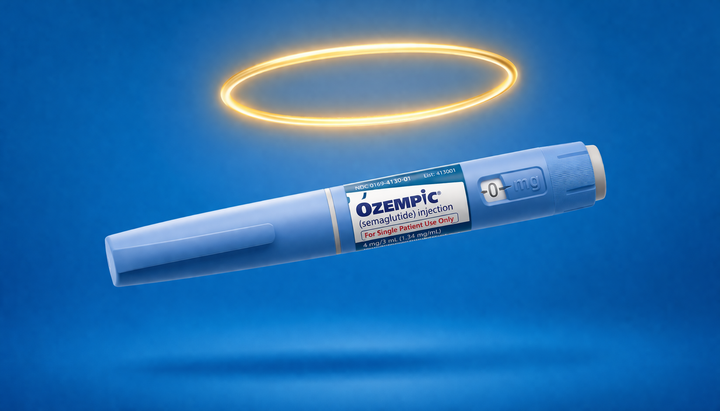
GLP-1 receptor agonists are a class of peptide-based medications that mimic glucagon-like peptide-1 (GLP-1), a hormone naturally produced in the gut after eating. They were first developed for type 2 diabetes but have become central to modern weight management, cardiovascular medicine, and metabolic health. Semaglutide (Ozempic, Wegovy) and tirzepatide (Mounjaro, Zepbound) are the most widely prescribed members of this class today.
What Is GLP-1?
Glucagon-like peptide-1 is an incretin hormone — a gut hormone that amplifies the insulin response to food. It is secreted by L-cells in the intestinal lining within minutes of eating and triggers several coordinated effects:
- Stimulates insulin secretion from the pancreas in proportion to blood glucose levels
- Suppresses glucagon (a hormone that raises blood sugar), reducing excess glucose output from the liver
- Slows gastric emptying, so food moves from the stomach to the intestines more gradually
- Acts on appetite centers in the brain (particularly the hypothalamus and brainstem), signaling satiety and reducing hunger
Natural GLP-1 has a half-life of just 1-2 minutes — it is rapidly degraded by an enzyme called DPP-4. GLP-1 receptor agonists are synthetic peptides engineered to resist this degradation, allowing them to remain active for hours, days, or in some formulations, a full week.
How Do GLP-1 Receptor Agonists Work?
GLP-1 receptor agonists bind to the same receptors that natural GLP-1 activates, but with greater potency and duration. The downstream effects operate across multiple organ systems:
Pancreas. Insulin secretion increases in a glucose-dependent manner — meaning the drug only amplifies insulin release when blood sugar is elevated. This mechanism significantly reduces the hypoglycemia (dangerous low blood sugar) risk compared to older diabetes medications like sulfonylureas.
Liver. Glucagon suppression reduces hepatic glucose production, helping normalize fasting blood sugar levels.
Stomach. Slowing gastric emptying extends the feeling of fullness after meals and blunts post-meal blood sugar spikes.
Brain. The appetite-suppressing effects are mediated directly in the hypothalamus and brainstem, where GLP-1 receptors regulate hunger and satiety signaling. This central action is why GLP-1 receptor agonists produce meaningful weight loss — they reduce hunger at a neurological level, not just a mechanical one.
Heart and blood vessels. GLP-1 receptors are expressed in cardiac tissue. The SELECT trial demonstrated that semaglutide reduces major adverse cardiovascular events in patients with obesity and established cardiovascular disease, independent of its weight loss effects — suggesting direct cardioprotective mechanisms beyond glycemic control.
The Main GLP-1 Receptor Agonists
Semaglutide (Ozempic / Wegovy)
Once-weekly subcutaneous injection. Approved for type 2 diabetes (Ozempic) and chronic weight management (Wegovy). The SELECT trial established cardiovascular mortality benefit. Average weight loss of approximately 15% in the STEP 1 trial. Also available as a once-daily oral tablet (Rybelsus) for diabetes, though oral bioavailability is limited.
Tirzepatide (Mounjaro / Zepbound)
A dual GIP/GLP-1 receptor agonist — it activates both GLP-1 receptors and glucose-dependent insulinotropic polypeptide (GIP) receptors simultaneously. The GIP component adds synergistic metabolic effects, producing greater average weight loss than semaglutide in head-to-head and trial data (15-21% vs ~15%). FDA-approved for diabetes and obesity.
Liraglutide (Victoza / Saxenda)
Once-daily injection. An earlier-generation GLP-1 agonist with a shorter half-life than semaglutide. Produces approximately 5-8% average weight loss. Less convenient dosing has made it less preferred as semaglutide became available.
Dulaglutide (Trulicity)
Once-weekly injection, primarily used for type 2 diabetes. Modest weight loss effect compared to semaglutide and tirzepatide.
Exenatide (Byetta / Bydureon)
Twice-daily (Byetta) or once-weekly (Bydureon) formulations. Earlier-generation compound; largely superseded by more effective agents.
Who Are GLP-1 Receptor Agonists For?
GLP-1 receptor agonists are FDA-approved for:
- Type 2 diabetes — improving glycemic control when lifestyle measures and metformin are insufficient
- Chronic weight management — in adults with BMI ≥30, or ≥27 with a weight-related health condition
- Cardiovascular risk reduction — semaglutide is approved for reducing cardiovascular events in adults with obesity and established cardiovascular disease
Clinical use has expanded into additional areas being actively studied: non-alcoholic steatohepatitis (NASH/MASH), addiction medicine, polycystic ovary syndrome (PCOS), and binge eating disorder. A 2026 systematic review in Pharmacotherapy found promising data for GLP-1 receptor agonists in binge eating disorder, reflecting the breadth of ongoing research.
Side Effects and Considerations
The side effect profile of GLP-1 receptor agonists is dominated by gastrointestinal symptoms:
- Nausea (most common, especially during dose escalation)
- Vomiting
- Diarrhea or constipation
- Decreased appetite
These effects are typically most pronounced in the first weeks of use and during dose increases. Slow titration protocols are standard practice to improve tolerability.
Less common but clinically relevant considerations include:
- Gastroparesis risk — significant gastric emptying slowing in some patients; relevant for any elective procedures requiring empty stomach
- Pancreatitis — rare, class-wide warning; clinical significance at therapeutic doses is debated
- Thyroid C-cell tumors — observed in rodent studies at supratherapeutic doses; clinical significance in humans is uncertain but the class carries an FDA warning for patients with personal or family history of medullary thyroid carcinoma
- Muscle mass loss — rapid weight loss with GLP-1 therapy can include lean mass loss alongside fat loss; resistance training and adequate protein intake are recommended
Weight regain after stopping GLP-1 therapy is well-documented. These medications address the hormonal drivers of obesity; stopping them typically results in gradual return to baseline weight over months.
GLP-1 Receptor Agonists and Peptide Therapy
GLP-1 receptor agonists are themselves peptide-based drugs — semaglutide is a 31-amino acid peptide; tirzepatide is a 39-amino acid dual peptide. This places them squarely within the broader category of therapeutic peptides, and they share the same fundamental pharmacological principle: mimicking naturally occurring biological signaling molecules.
Patients pursuing peptide therapy for weight management will inevitably encounter GLP-1 receptor agonists as part of the clinical conversation. They are the most evidence-backed and FDA-approved options in this space, and for many patients with metabolic health goals, they are the appropriate first-line intervention.
Frequently Asked Questions
What is the difference between a GLP-1 receptor agonist and insulin?
Insulin is a hormone that directly lowers blood glucose by facilitating glucose uptake into cells. GLP-1 receptor agonists indirectly improve blood sugar control by stimulating insulin secretion (only when glucose is elevated), suppressing glucagon, and slowing gastric emptying. They carry much lower hypoglycemia risk than insulin.
Are GLP-1 receptor agonists addictive?
GLP-1 receptor agonists do not appear to produce addiction or dependence in the pharmacological sense. Research into their effects on reward circuitry is ongoing — some studies suggest they may reduce cravings for alcohol and addictive substances, which is a separate line of investigation.
Can you take GLP-1 receptor agonists without diabetes?
Yes. Semaglutide (Wegovy) and tirzepatide (Zepbound) are FDA-approved specifically for chronic weight management in adults without diabetes who meet the BMI criteria.
How do GLP-1 receptor agonists compare to older weight loss medications?
Older weight loss medications (phentermine, topiramate, naltrexone/bupropion) produced average weight losses of 3-8%. GLP-1 receptor agonists produce 10-21% average weight loss in trials, representing a substantial advance in efficacy for this indication.
What happens when you stop taking a GLP-1 receptor agonist?
Most patients regain significant weight within 6-12 months of stopping. This reflects the underlying biology of obesity — the hormonal drivers that the medication was managing reassert themselves. Long-term maintenance therapy is a realistic expectation for most patients.
Sources
- Wilding JPH, et al. Once-Weekly Semaglutide in Adults with Overweight or Obesity. *N Engl J Med.* 2021.
- Jastreboff AM, et al. Tirzepatide Once Weekly for the Treatment of Obesity. *N Engl J Med.* 2022.
- Lincoff AM, et al. Semaglutide and Cardiovascular Outcomes in Obesity without Diabetes. *N Engl J Med.* 2023.
- Brownley KA, et al. Incretin-Based Therapies for the Treatment of Binge Eating. *Pharmacotherapy.* 2026.
- Drucker DJ. Mechanisms of Action and Therapeutic Application of Glucagon-like Peptide-1. *Cell Metab.* 2018.
This content is for educational purposes only and does not constitute medical advice. Peptide therapies should only be pursued under the supervision of a licensed healthcare provider. Amino Clinic recommends consulting with your physician before starting any new therapy.